Lucy Betteridge-Dyson is a military historian specialising in the First and Second World Wars, with particular expertise in animals in warfare, military logistics, and the British and imperial armies.
A Burma Star Memorial Fund scholar, she is currently completing a PhD at King’s College London examining how horses and mules shaped military operations and the development of the British and imperial armies between 1918 and 1945.
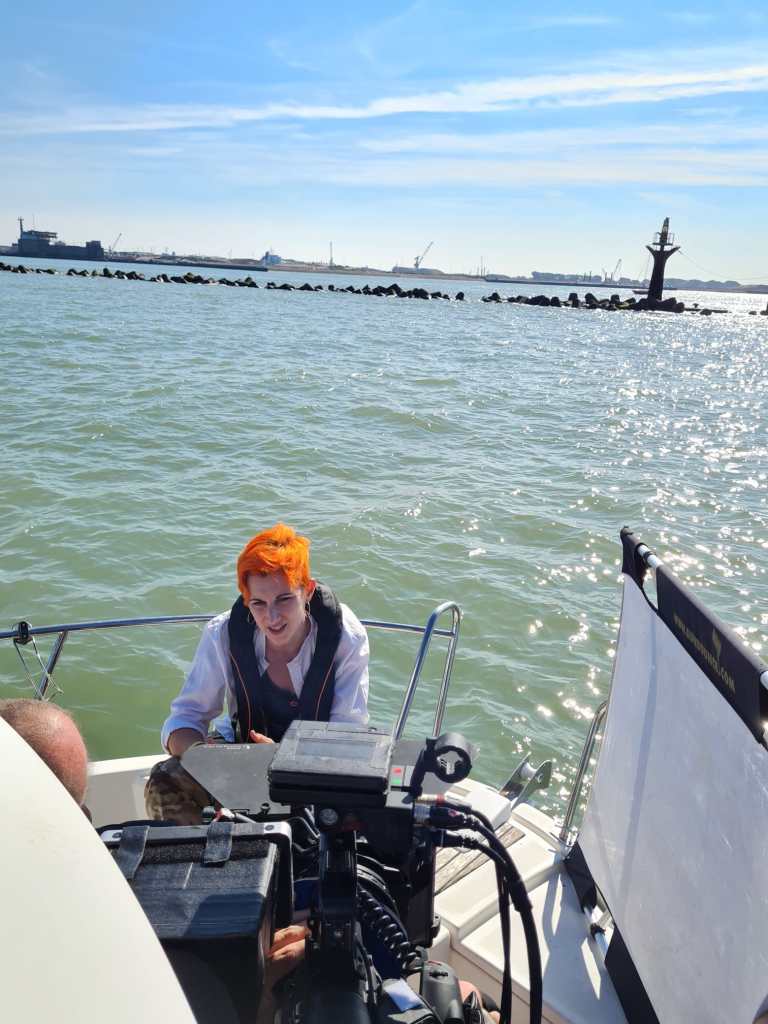
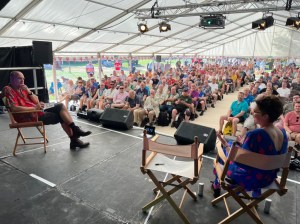
Alongside her academic work, Lucy regularly contributes to television and radio programmes and works with broadcasters, producers, and journalists to bring new historical research to wider audiences.
Research
Her current doctoral research explores the role and agency of horses and mules in the British Army and imperial forces between 1918 and 1945. Drawing on military archives, veterinary records, and insights from equine behavioural science, this work examines how animals influenced the conduct of operations across Europe, the Mediterranean, the Middle East, and Burma.
Alongside this work, Lucy has a particular interest in the Burma campaign of the Second World War. Through research, writing, and media work she seeks to bring greater attention to the battles and experiences of soldiers who fought in what is too often described as the ‘Forgotten War’.
History in the Field
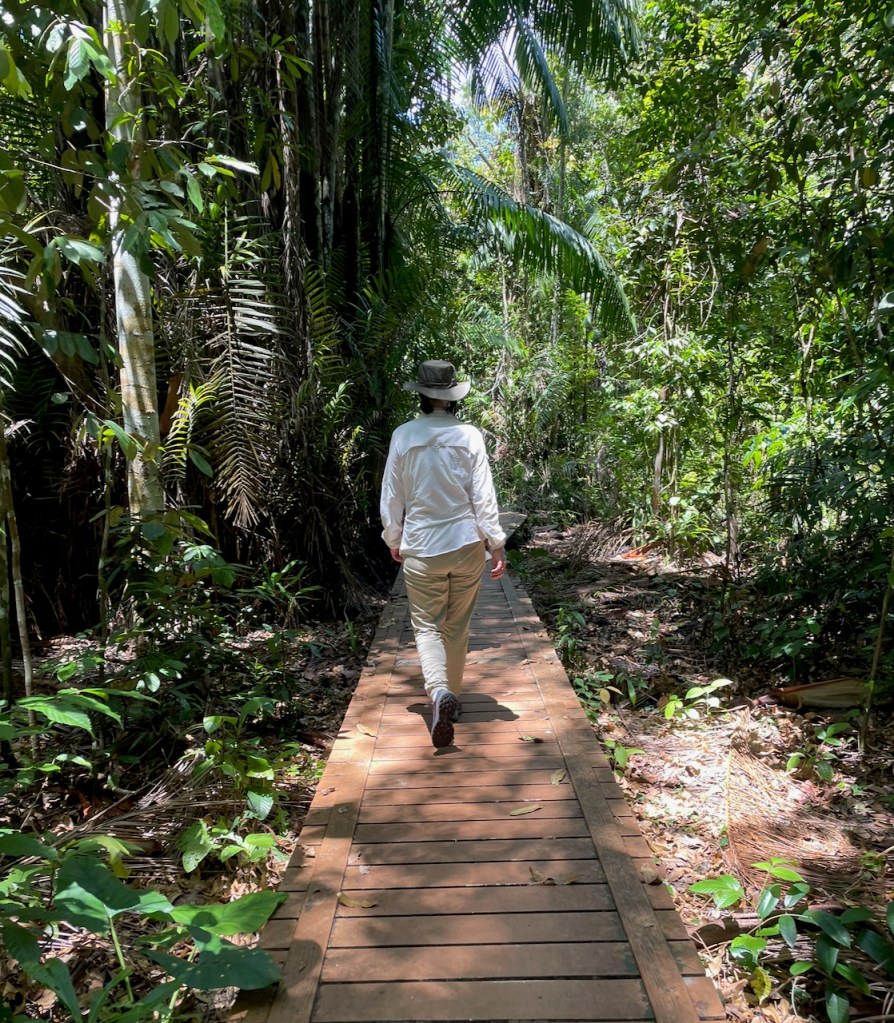
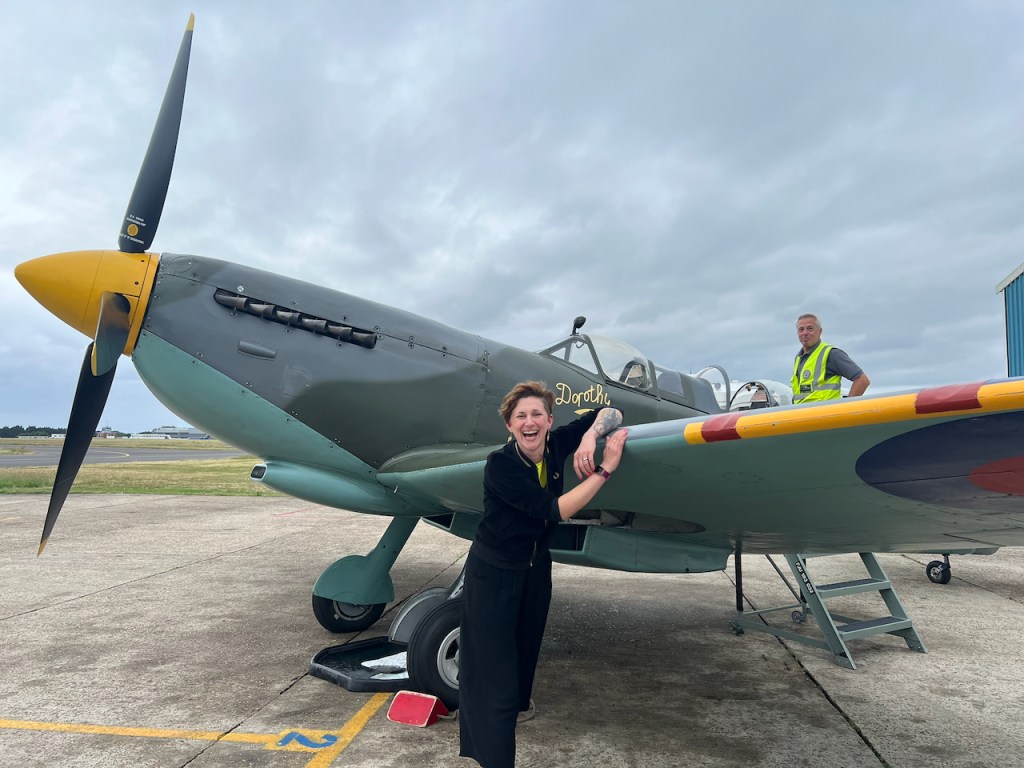
Lucy is particularly interested in exploring history through landscapes and environments. Visiting battlefields, working with historic equipment, and experiencing terrain firsthand are important ways of understanding how historical events unfolded.
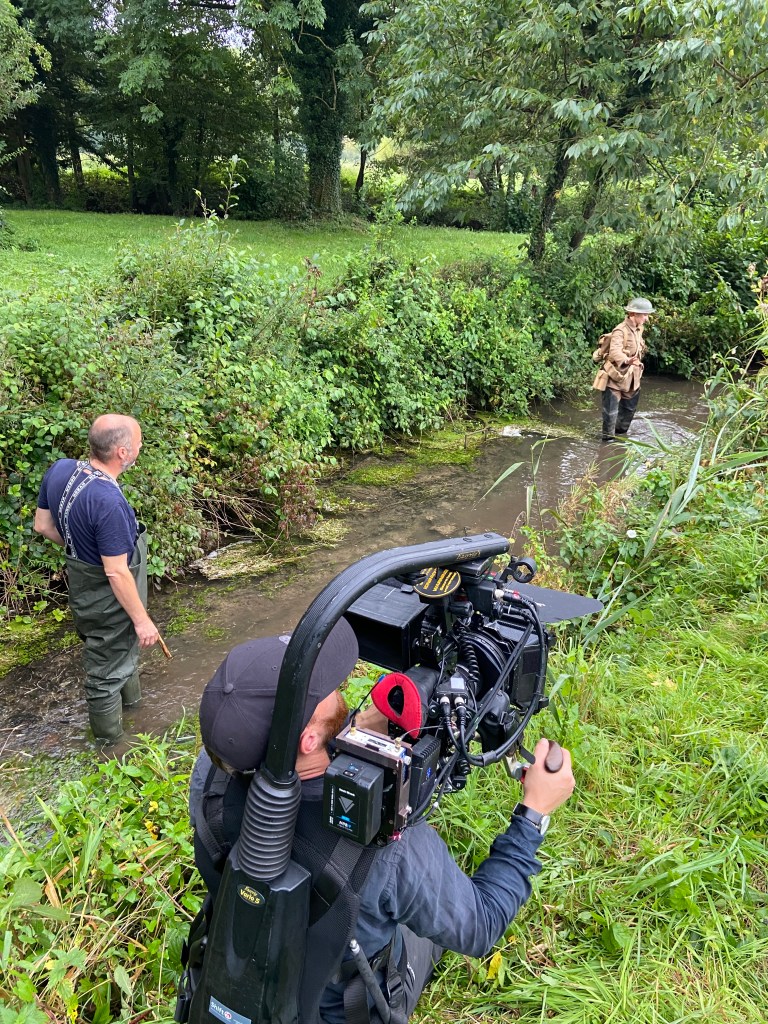
She particularly enjoys actuality filming, working on location to explore the physical realities of warfare and the environments in which historical events took place.

Horses and History
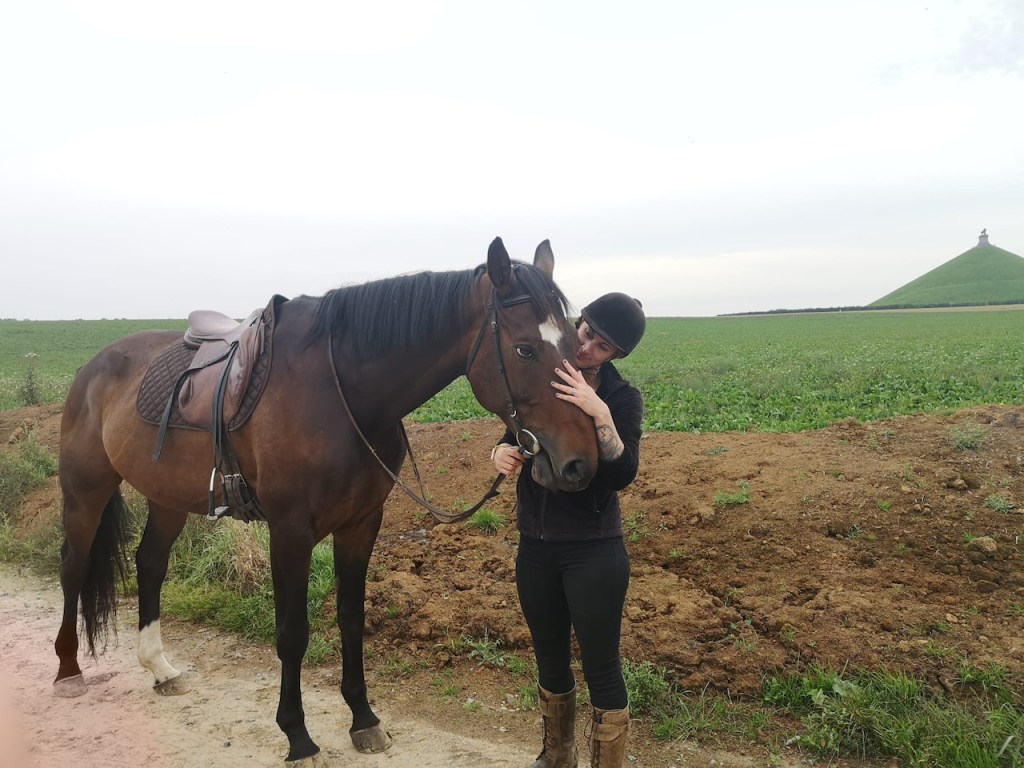
A lifelong horse lover, Lucy’s interest in animals in warfare is not purely academic. Her research into the role of horses and mules in twentieth-century conflict is closely connected to a long-standing personal interest in horses and horsemanship.
This perspective informs her work as a historian, helping her to think about animals not simply as equipment but as active participants whose behaviour, training, and limitations shaped the course of military operations.
Lucy enjoys bringing a slightly different perspective to military history, combining traditional archival research with insights from animal history and environmental history.
Her work aims to tell stories of warfare that go beyond commanders and strategy to explore the wider networks of humans, animals, landscapes, and environments that shaped how wars were actually fought.
Lucy lives in Sussex with her husband, son, Olive the English Bull Terrier, and grumpy horse Max.
 Lucy Betteridge-Dyson